How Color Harmonies Bring Life and Meaning to the Screen
How Color Harmonies Bring Life and Meaning to the Screen
Few children’s shows manage to balance emotional depth and visual beauty as skillfully as Bluey. At first glance, the show’s charming animation might seem simple, but a closer look reveals that it is a masterclass in color design. By employing thoughtful color harmonies and deliberate contrasts, Bluey creates a world that is not only visually stunning but also emotionally resonant for both kids and adults. Let’s unpack the show’s use of color and explore why this artistic choice is so important.
1. The Beauty of Color Harmonies
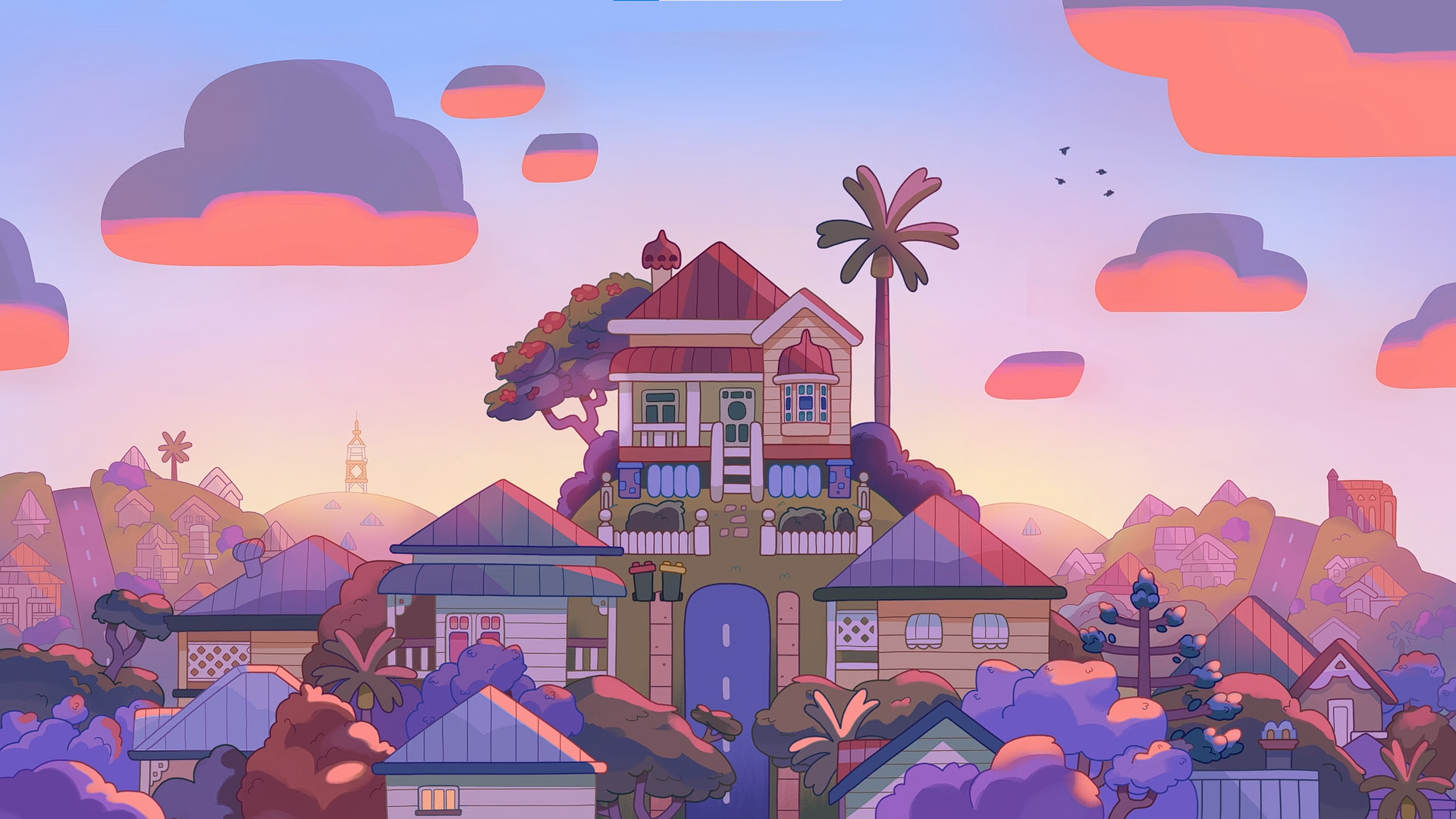
One of Bluey’s most distinguishing features is its vibrant and picturesque backgrounds. From glowing sunsets to serene nighttime skies, the show uses complementary and analogous color schemes to craft its scenes. These harmonious palettes—such as warm oranges transitioning into soft purples—create a sense of balance and calm that feels inviting and magical. This choice gives every episode a painterly quality, making the world of Bluey feel like a love letter to the natural beauty of Australia.
By creating backgrounds that are almost impressionistic in style, Bluey draws viewers into its world while leaving room for interpretation. These settings act as both a backdrop to the characters' adventures and a visual representation of the emotions at play.
2. Color as a Storytelling Tool
The creators of Bluey use color to evoke different moods and themes. For instance:
Warm colors (reds, oranges, yellows): These are often used in scenes of joy, playfulness, or comfort. A family gathering at sunset or a playful game in the backyard brims with warmth, enhancing the feeling of togetherness.
Cool colors (blues, greens, purples): These tones appear in moments of reflection, calm, or rest. A serene evening sky or a quiet moment of bonding is often painted in soothing shades of blue.
Contrasts and transitions: Shifting from bright, saturated colors in high-energy play scenes to muted, softer tones during more contemplative moments mirrors the pacing of the episodes, signaling emotional beats to the audience.
This careful use of color not only reinforces the narrative but also makes complex themes accessible to children. For parents, the thoughtful design adds a layer of visual sophistication, making Bluey as enjoyable to watch as it is relatable.
3. Appealing to All Ages
The dual-layered appeal of Bluey stems in part from its color design. For children, the bright and cheerful colors capture attention and create a sense of fun and wonder. For adults, the more subtle emotional cues embedded in the color schemes resonate on a deeper level, drawing parallels to real-life experiences.
Parents watching with their kids may find themselves moved by the interplay of color and emotion in key scenes—such as the vibrant celebration of life in an afternoon playtime montage or the melancholic hues of a rainy day spent indoors. These visuals foster a shared experience, bridging the gap between generations.
4. The Importance of Color in Media
Color is one of the most powerful tools in visual storytelling. Rooted in color theory, the choices made by animators and designers can evoke specific emotions and guide the audience's focus. Here’s why color is so effective:
Psychological impact: Colors have innate associations (e.g., red for energy, blue for calm) that help shape how scenes are perceived.
Mood setting: A well-chosen palette can instantly establish a scene’s emotional tone, making viewers feel joy, tension, or nostalgia without a single word spoken.
Symbolism: Subtle color choices can add depth to storytelling, conveying themes like growth, transition, or harmony through visual means.
In Bluey, the creative team uses these principles to their fullest, crafting a world that feels alive with emotion and meaning.
Conclusion
Bluey is much more than a children’s cartoon—it’s a visual and emotional work of art. Its use of color harmonies, thematic palettes, and clever design choices elevates its storytelling and helps it connect with viewers of all ages. By leveraging the power of color theory, the show demonstrates that even the simplest moments in life can be beautiful, meaningful, and worth celebrating. Whether you’re a child mesmerized by its vibrant world or a parent touched by its heartfelt themes, Bluey proves that great art transcends age.

Comments:
0 Comments
Please be kind and respectful to others. Abusive comments will lead to a ban.
No comments yet. Be the first to comment!