Keeping the Beat: The Evolution and Impact of Rhythm Games from DDR to Hi-Fi Rush
Keeping the Beat: The Evolution and Impact of Rhythm Games
Music has always been an intrinsic part of gaming, and rhythm games take this connection to another level. They turn beats, melodies, and rhythms into core gameplay mechanics, challenging players to sync their movements, taps, or inputs with musical cues. Whether through the pulsing energy of an arcade, the DIY spirit of indie games, or the polished spectacle of AAA productions, rhythm games have become a genre brimming with creativity and innovation. Let’s dive into the genre’s past, present, and future.
1. Old School Classics: The Arcade Era and DDR
When thinking about the origins of rhythm games, Dance Dance Revolution (DDR) immediately comes to mind. Released by Konami in 1998, DDR revolutionized rhythm gaming by bringing it into arcades with its iconic dance pad and high-energy music. Players stomped their way into a cardio frenzy, aligning their steps with arrows scrolling up the screen.
Design Philosophy: DDR was built around physicality. The simple four-arrow interface made it easy to pick up, but the increasing speed and complexity of songs demanded skill and stamina.
Cultural Impact: DDR turned arcades into communal hubs, where players competed or showed off their skills. It bridged gaming and exercise, predating fitness games like Wii Fit by nearly a decade.
Despite technological advancements, DDR’s legacy lives on as it laid the foundation for rhythm-based interaction and player immersion.
2. The Indie Revolution: The Quirky Charm of Friday Night Funkin'
Fast forward to the modern era, and the indie gaming scene has embraced rhythm games with open arms. One standout is Friday Night Funkin', a 2020 release that exploded in popularity for its accessible gameplay, retro art style, and catchy music.
Design Philosophy: Friday Night Funkin' takes inspiration from DDR’s “up, down, left, right” mechanics but translates them to keyboard or controller inputs. It focuses on charm and personality, featuring humorous characters and funky tracks.
Why It Works: Indie titles like this thrive on community engagement. The game’s open-source nature has allowed modders to create custom characters, songs, and levels, ensuring its replayability and expanding its fanbase.
Cultural Relevance: The game resonated especially during the pandemic, offering a social and creative outlet for players who bonded over shared experiences and fan-made mods.
Friday Night Funkin' exemplifies how indie games push the genre forward by fostering inclusivity and creativity.
3. AAA Mastery: The Innovation of Hi-Fi Rush
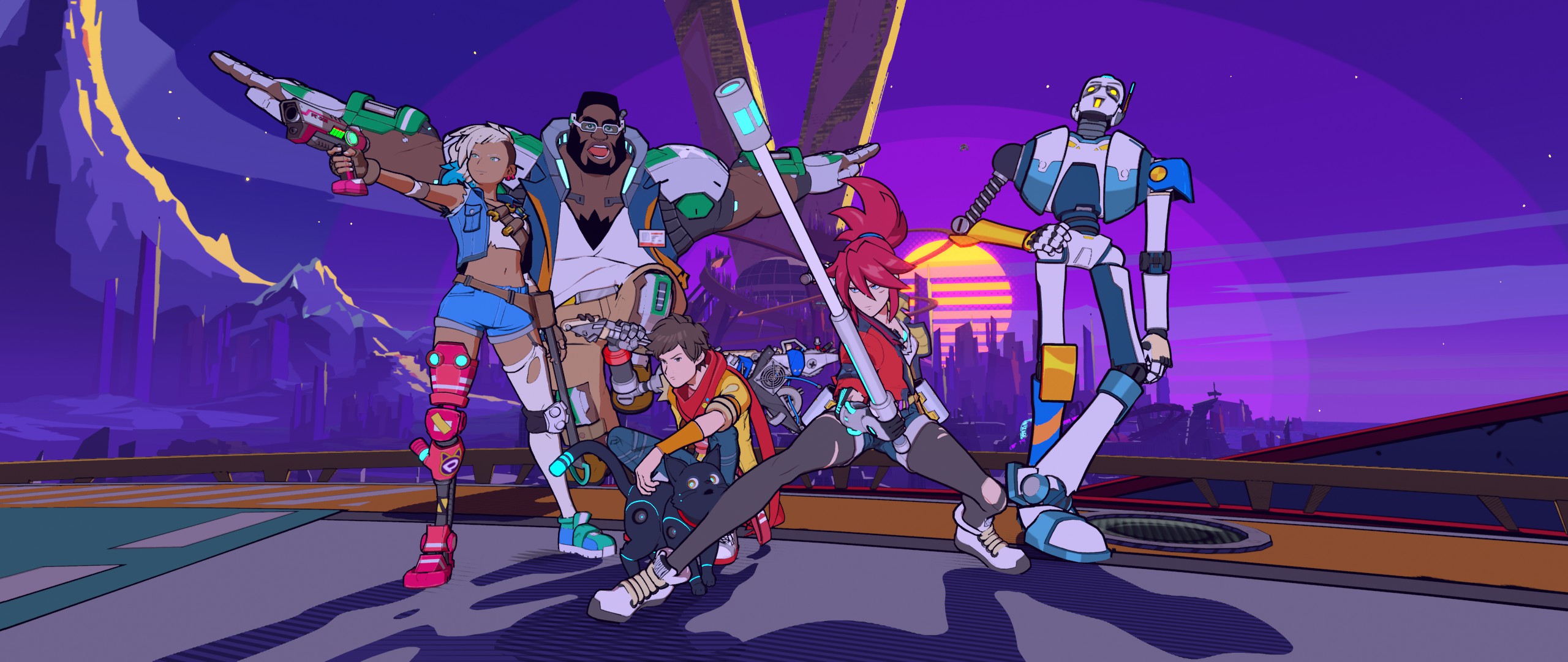
Then there’s Hi-Fi Rush, a shining example of how AAA studios can take the rhythm game genre and elevate it to new heights. Released in 2023 by Tango Gameworks, it combines rhythm-based mechanics with action-adventure gameplay in a stylish, story-driven package.
Design Philosophy: Hi-Fi Rush merges rhythm and combat. Players execute attacks and dodges in sync with the game’s soundtrack, creating a feeling of musical flow. Instead of being confined to traditional rhythm-game formats, it integrates rhythm seamlessly into the broader gameplay.
Art and Music: The game’s visual design pulses with energy—think vibrant comic book aesthetics paired with adrenaline-pumping tracks. Its polish and cinematic presentation put it in the realm of AAA excellence.
What Makes It Unique: Hi-Fi Rush introduces rhythm elements to players who may not have sought out rhythm games otherwise, blending genres in a way that feels fresh and innovative.
AAA titles like Hi-Fi Rush demonstrate how rhythm games can expand beyond their traditional frameworks while maintaining the core joy of rhythmic interaction.
4. Why Rhythm Games Matter
What makes rhythm games so compelling is their universality—music is a language that transcends cultural and linguistic barriers. Rhythm games capitalize on this by appealing to our innate sense of timing and connection to music. Here’s why the genre continues to thrive:
Accessibility: Whether it’s DDR’s intuitive dance pad or the simple controls of Friday Night Funkin', rhythm games are easy to understand but challenging to master.
Immersion: The fusion of music, visuals, and gameplay creates a level of immersion rarely matched by other genres.
Community: Rhythm games have an unrivaled sense of community, from modding scenes to arcade tournaments.
Conclusion
Rhythm games have come a long way since their arcade roots, but their appeal remains timeless. Whether you’re grooving to DDR in an arcade, battling opponents in Friday Night Funkin', or smashing robots to the beat in Hi-Fi Rush, rhythm games offer an experience that’s equal parts artistic and interactive. The genre’s ability to innovate while staying true to its musical core ensures it will continue to captivate players of all ages.

Comments:
1 Comment
Please be kind and respectful to others. Abusive comments will lead to a ban.
this is second comment